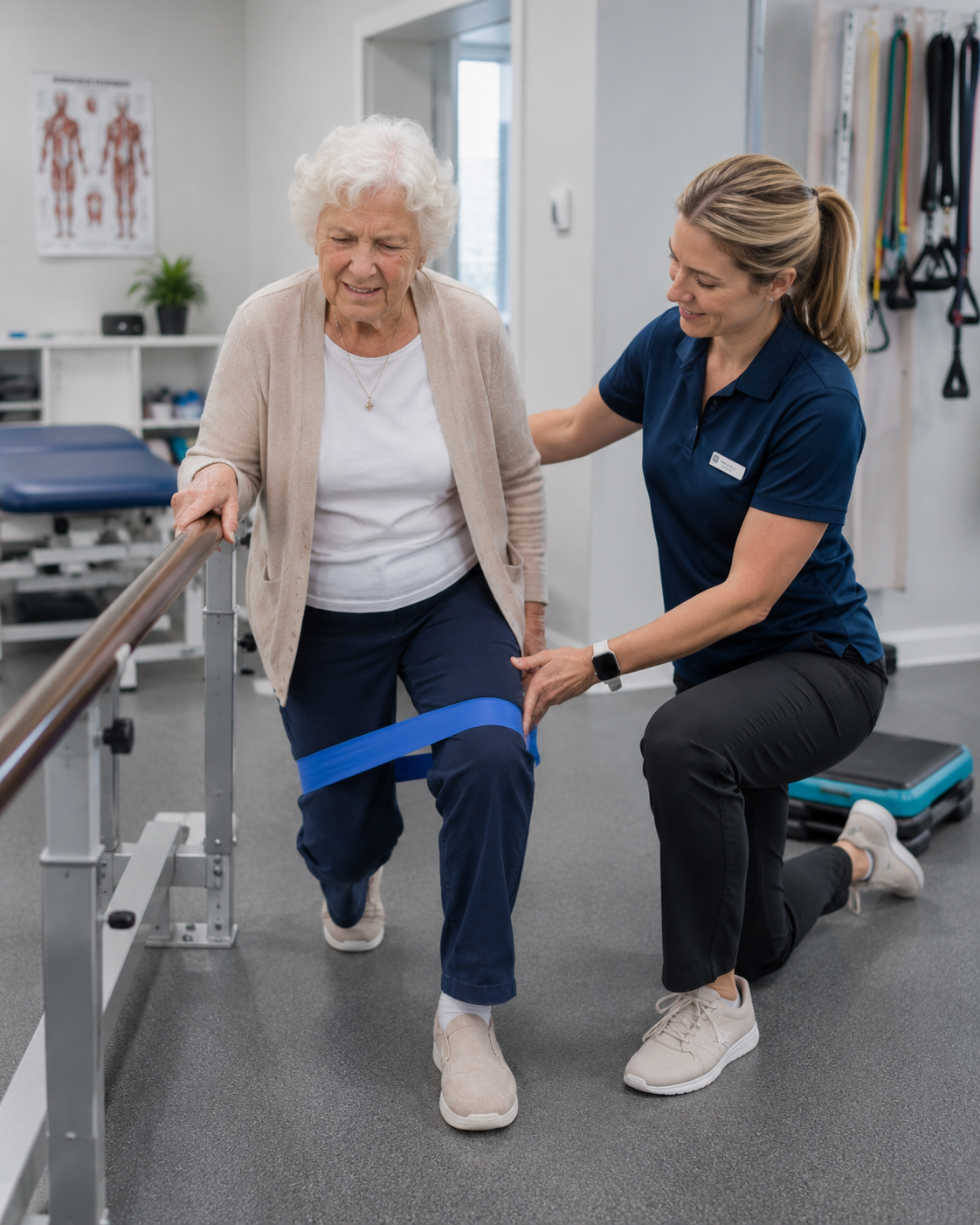
Knee Pain Physiotherapy in Redlands.
Knee pain is one of the most common conditions treated by physiotherapists, affecting people of all ages — from active teenagers with sports injuries to older adults managing arthritis. The key to effective treatment is an accurate diagnosis, because different causes of knee pain require very different approaches.
At Moov Physio, we take the time to properly assess your knee, explain exactly what’s happening, and build a treatment plan that delivers real results.

Common Causes of Knee Pain
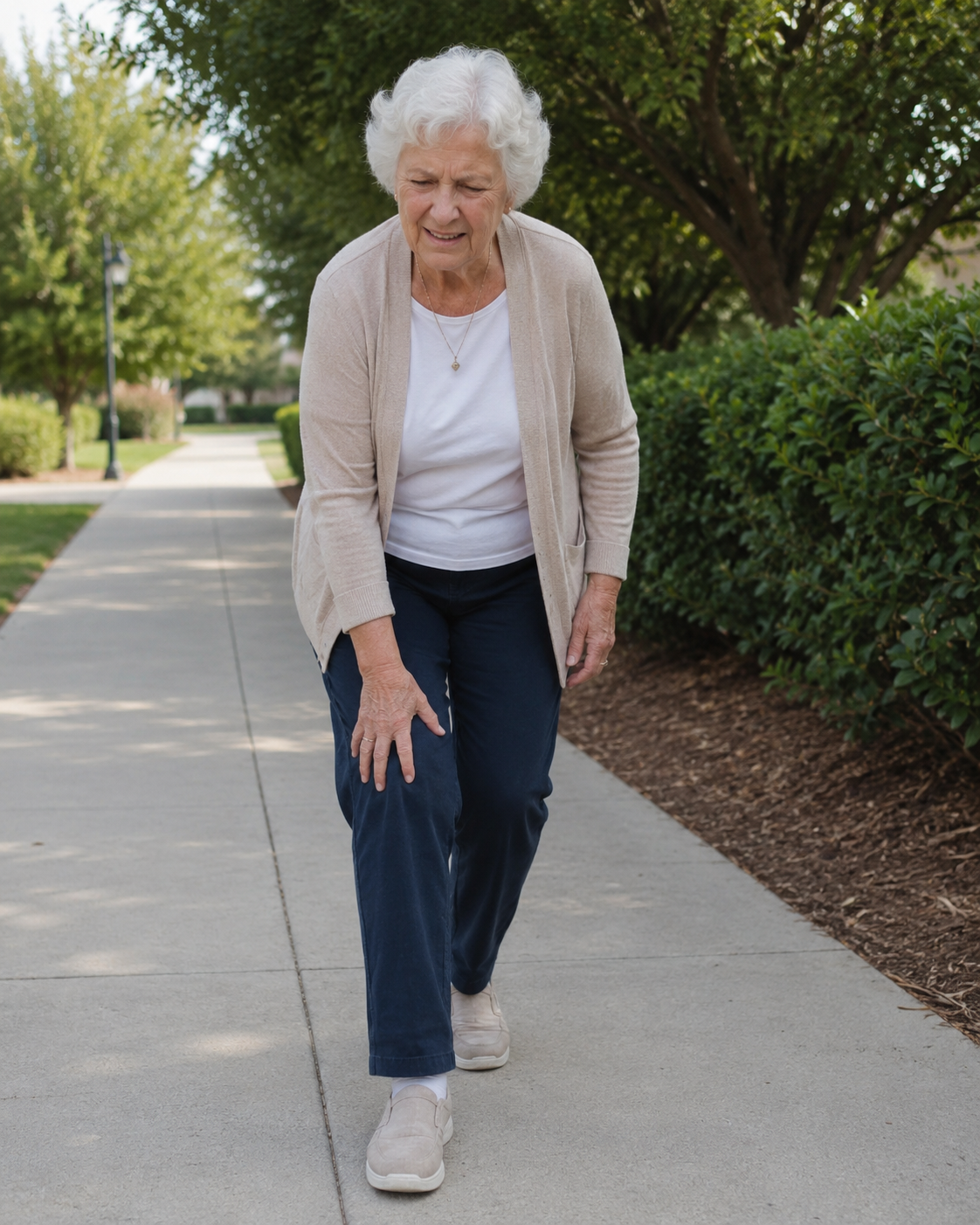
Knee pain has many possible causes. A physiotherapy assessment helps identify the source and guide the right treatment for your condition.
| Condition | Who It Typically Affects |
|---|---|
| Patellofemoral Pain Syndrome | Active teenagers & young adults; runner's knee |
| Osteoarthritis | Adults 50+; gradual wear and stiffness |
| Meniscus Tears | Athletes & older adults; twisting injuries |
| ACL / PCL Injury | Sports players; pivoting, jumping, contact |
| ITB Syndrome | Runners & cyclists; lateral knee pain |
| Patellar Tendinopathy | Jumping athletes; pain below the kneecap |
| Bursitis | Repetitive kneeling; swelling over the kneecap |
| Post Total Knee Replacement | Post-surgical recovery patients |
| Referred Pain | Hip or lumbar spine issues referring into the knee |
Symptoms That Physio Can Help With
Pain at the front, side, or back of the knee
Swelling or stiffness after activity or in the morning
Clicking, locking, or giving way of the knee
Pain going up or down stairs
Difficulty straightening or bending fully
Knee pain that wakes you at night
Weakness in the leg around the knee
How We Treat Knee Pain
Our physiotherapists use a structured, evidence-based approach to diagnose and treat the root cause of your knee pain — not just the symptoms.
-
1
Assessment & Diagnosis
A thorough physical examination including movement testing, strength testing, ligament and meniscus screening, and functional movement analysis. We'll refer for imaging if clinically indicated.
-
2
Hands-On Treatment
- Joint mobilisation (patella, tibiofemoral, hip)
- Soft tissue release of the quads, ITB, hamstrings, and calves
- Dry needling to reduce muscle tightness
- Taping (McConnell or kinesiology) for pain relief and patella tracking
-
3
Exercise Rehabilitation
- Quadriceps and VMO strengthening
- Gluteal strengthening to address hip-knee alignment
- Neuromuscular control and proprioception training
- Progressive return-to-sport or return-to-activity programs
-
4
Education & Self-Management
- Activity modification during recovery
- Load management for tendon conditions
- Home exercise program via app
GLA:D Program for Knee Osteoarthritis
If you have knee osteoarthritis, Moov Physio offers the internationally validated GLA:D® program — a structured 6-week education and neuromuscular exercise program proven to reduce pain by up to 32% and improve function long-term.
Recommended by international osteoarthritis guidelines as first-line treatment — before surgery or injections.
Post Total Knee Replacement Physiotherapy
If you’ve had or are preparing for a total knee replacement (TKR), physiotherapy is essential for the best outcome. We offer:
Pre-operative physiotherapy (prehab) to build strength before surgery
Post-operative rehabilitation to restore bend, strength, and walking
Home visits in the early recovery phase when travel is difficult
Frequently Asked Questions.
-
It depends on the cause. Complete rest is rarely the answer. A physiotherapist can guide you on what movement is safe and what to avoid, allowing you to stay active while your knee heals.
-
In many cases, yes. Research consistently shows physiotherapy is as effective as surgery for knee osteoarthritis and meniscus tears in many patients. We’ll always give you an honest assessment of your options.
-
Acute injuries: 4–8 weeks. Tendinopathy: 8–12 weeks. Osteoarthritis is an ongoing management condition, but the GLA:D program delivers measurable improvements in 6 weeks.
-
Yes. Our mobile physiotherapy service covers all of Greater Brisbane. Ideal for post-surgical patients or those with limited mobility. [View Mobile Physio →]