Hydrotherapy in Redlands — Aquatic Physiotherapy.
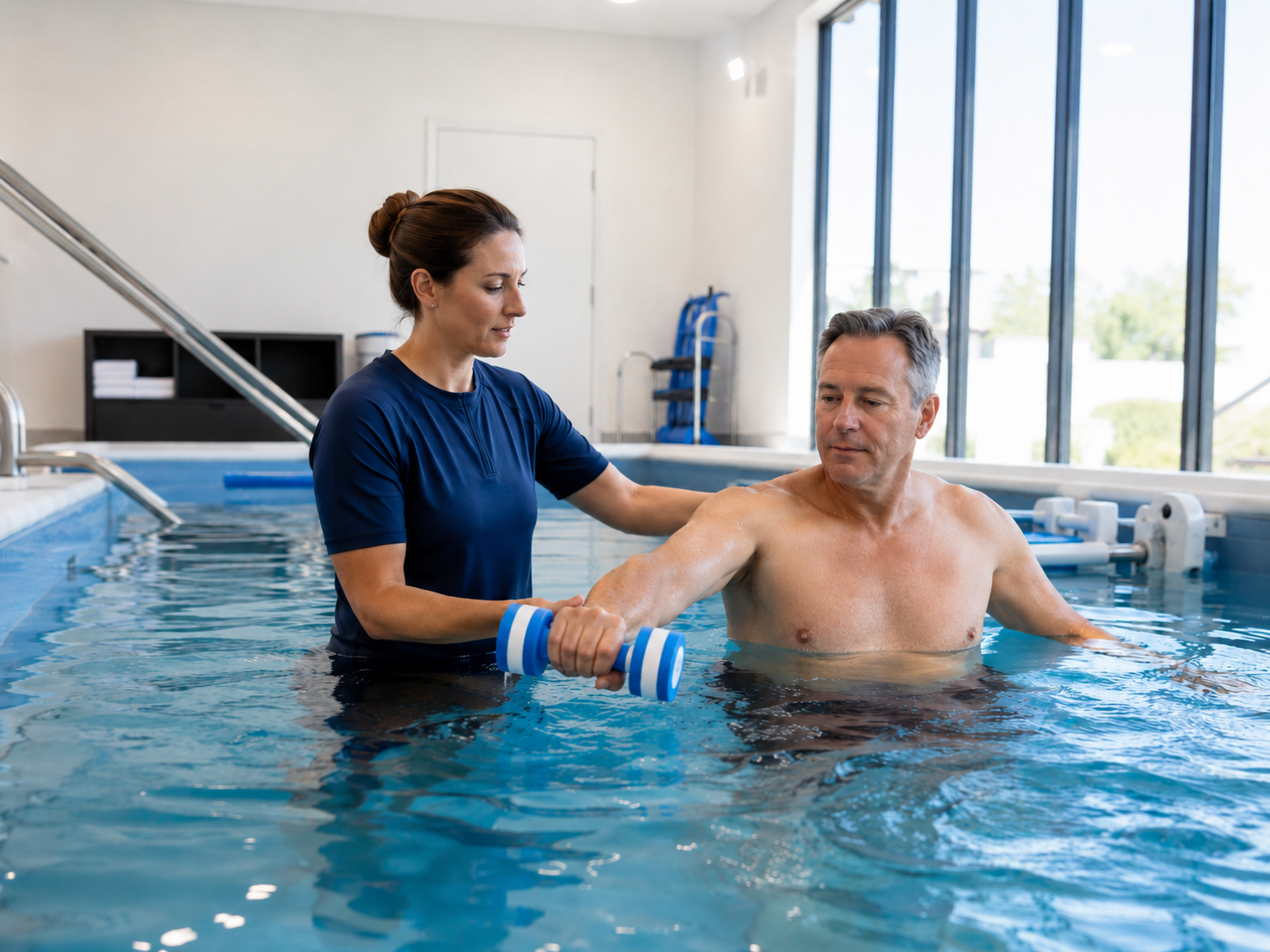
Hydrotherapy — also called aquatic physiotherapy — uses the unique properties of warm water to enable exercise and rehabilitation that would be difficult or painful on land. It's one of the most versatile and gentle forms of physiotherapy available, suitable for patients of all ages and a wide range of conditions.
At Moov Physio, hydrotherapy sessions are conducted by qualified physiotherapists in a heated therapeutic pool, with programs tailored to each patient's specific goals.

Why Water Works: The Science of Hydrotherapy
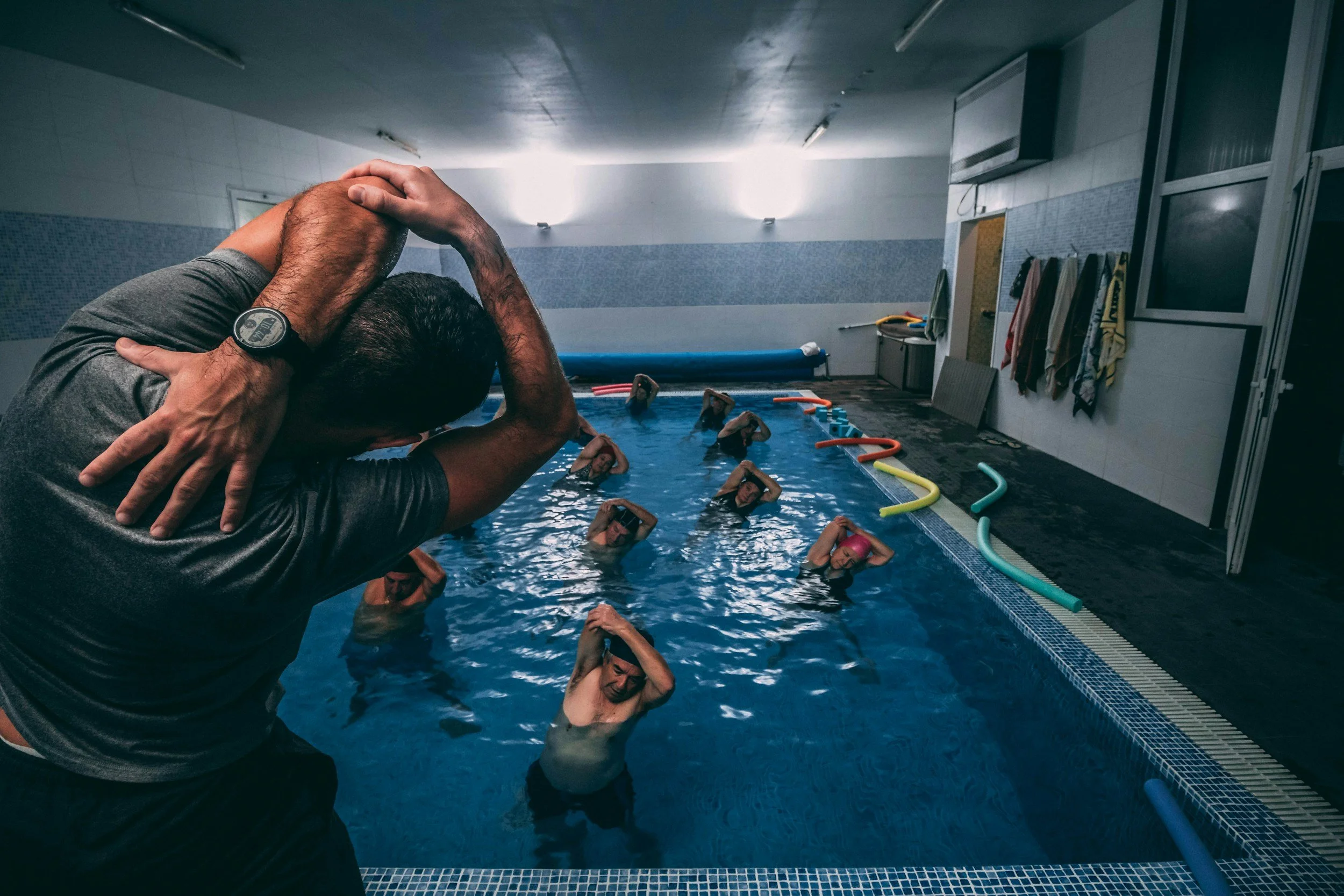
Water's unique properties make it a powerful therapeutic environment:
| Property | Benefit |
|---|---|
| Buoyancy | Reduces body weight by up to 90%, dramatically reducing joint load |
| Warm temperature (33–36°C) | Relaxes muscles, reduces pain, and increases circulation |
| Hydrostatic pressure | Reduces swelling and provides sensory feedback for balance |
| Resistance | Water provides 12× more resistance than air, building strength safely |
| Viscosity | Slows movement, providing safety for balance-impaired patients |

Who Benefits from Hydrotherapy?
Hydrotherapy is particularly effective for patients who find land-based exercise too painful or difficult.
Arthritis
Warm water eases joint pain & maintains mobility
Post-surgery
Early rehab after hip or knee replacement before full weight-bearing
Neurological conditions
Stroke, Parkinson's, MS — buoyancy aids movement retraining
Chronic pain
Fibromyalgia, complex regional & widespread musculoskeletal pain
Osteoporosis
Safe, low-impact exercise to maintain bone density & balance
Older adults
Gentle, enjoyable exercise with falls risk minimised
What Happens in a Hydrotherapy Session?
Initial land-based assessment — Goals, medical history, safety screening, and pool suitability
Pool entry — Assisted entry via steps, ramp, or hoist as needed
Warm-up — Gentle walking and mobility exercises in the pool
Targeted exercises — Condition-specific program including strength, balance, mobility, and gait
Cool-down & exit — Gentle stretches and safe pool exit
Progress review — Regular reassessment and program progression
Sessions are typically 45–60 minutes. Patients should bring a swimsuit, towel, and thongs. Changerooms are available.
Hydrotherapy vs Land-Based Physiotherapy
Hydrotherapy and land-based physiotherapy are complementary — many patients benefit from both:
Hydrotherapy is ideal early in recovery, when weight-bearing on land is painful or unsafe
As strength and function improve, land-based exercises are gradually reintroduced
Some patients continue hydrotherapy long-term as a maintenance program
Frequently Asked Questions.
-
No. Hydrotherapy takes place in shallow water (chest to waist depth) and you will not be required to swim. Your physiotherapist is with you throughout the session.
-
Hydrotherapy delivered by a physiotherapist can be claimed under Medicare (with GP referral) and NDIS (Improved Daily Living). Private health extras cover may also apply — check with your fund.
-
Most patients attend 1–2 sessions per week. Frequency depends on your condition, goals, and funding availability.
-
Yes. There are facilities equipped with assisted pool entry including hoists for patients with significant mobility limitations. Contact us to discuss your specific needs.