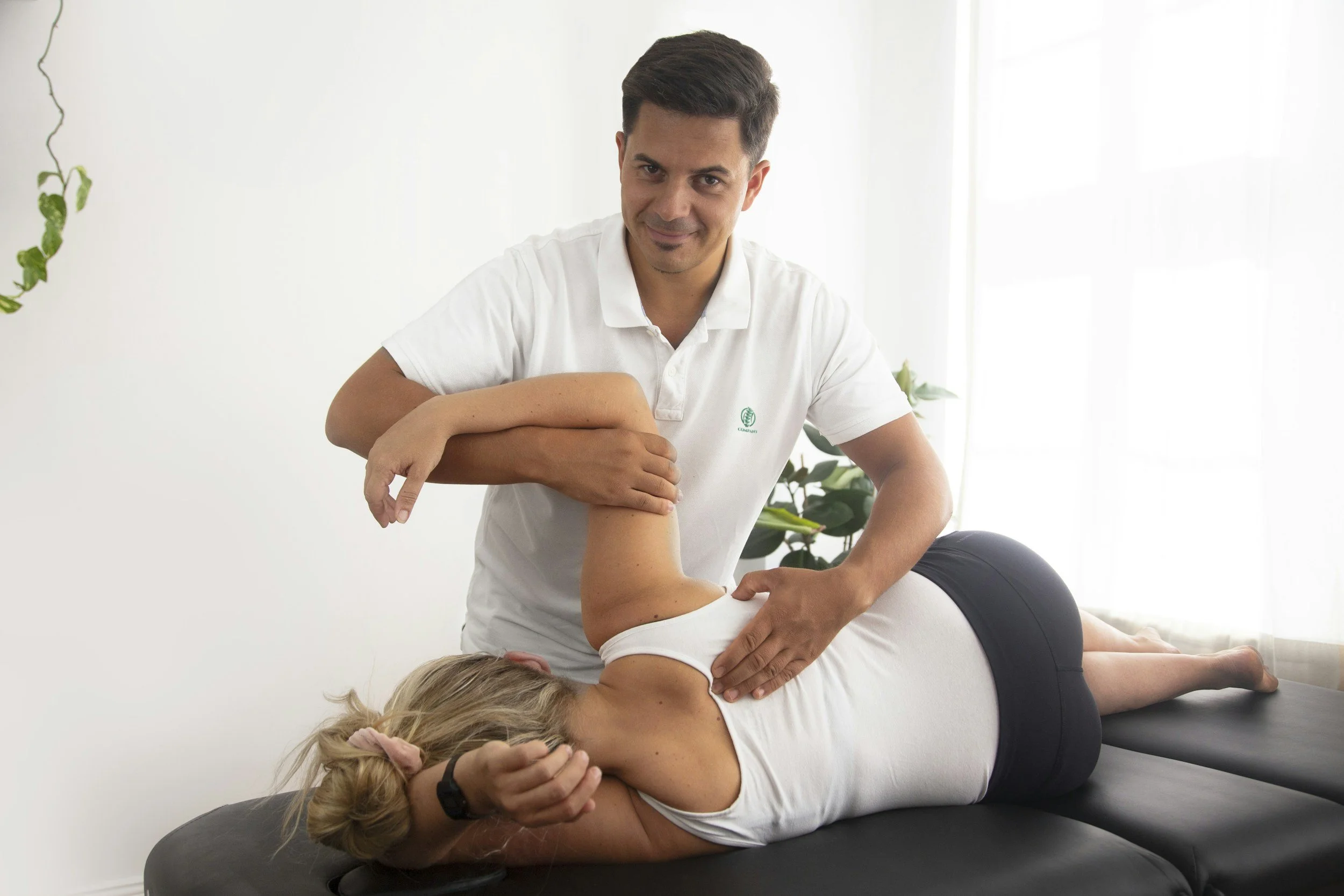
Shoulder Pain Physiotherapy in Redlands.
The shoulder is the most mobile joint in the body — and that mobility comes at the cost of stability. Shoulder pain can range from a dull ache when reaching overhead to sharp, debilitating pain that disrupts sleep. With so many potential causes, getting the right diagnosis first is critical.
Moov Physio’s Redlands physiotherapists are experienced in all types of shoulder conditions and will give you a clear diagnosis, an honest prognosis, and a treatment plan that works.
Shoulder Conditions We Treat
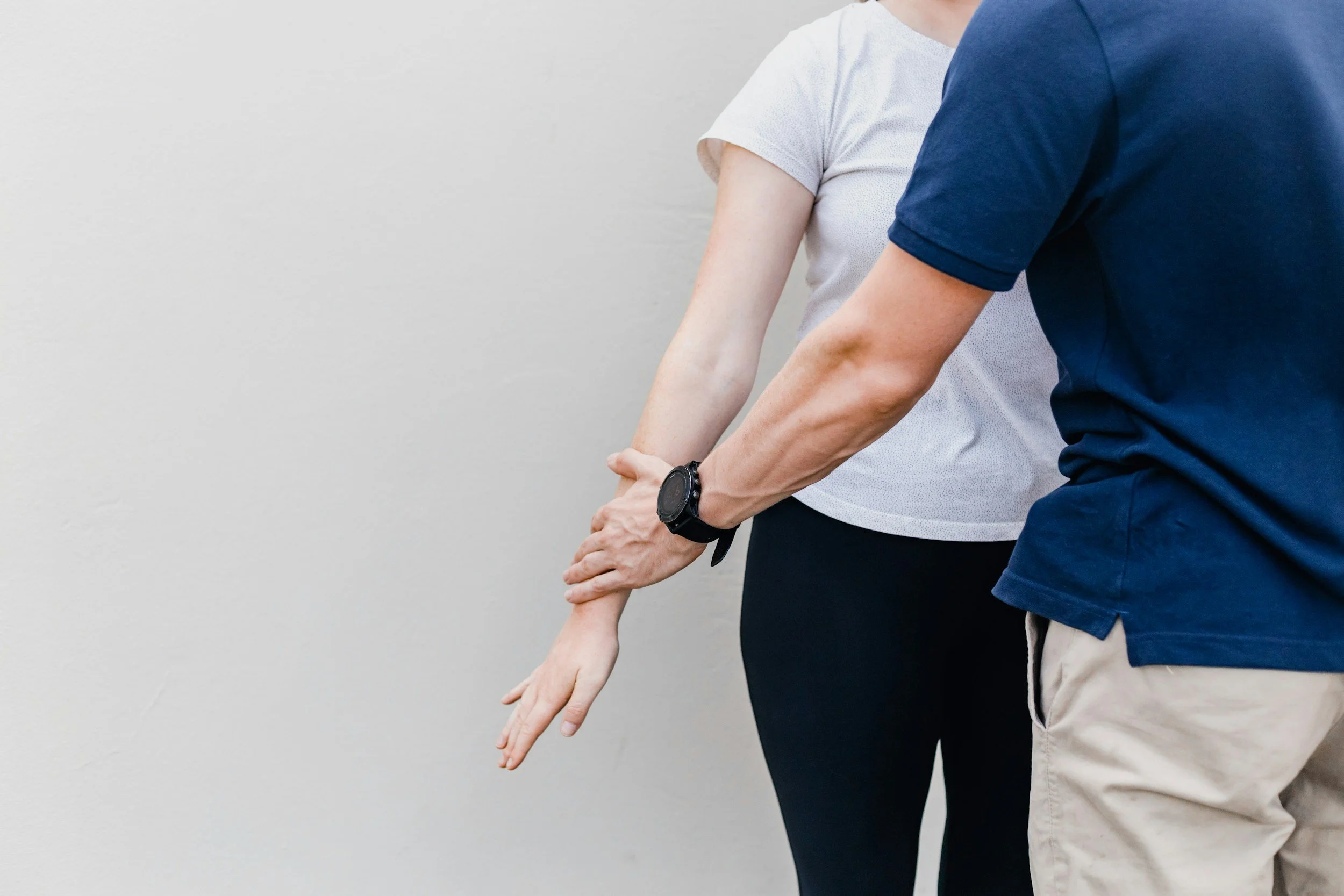
Our physiotherapists assess and treat a wide range of shoulder conditions — from acute injuries to chronic pain and post-surgical recovery.
| Condition | Key Features |
|---|---|
| Rotator Cuff Tear / Tendinopathy | Pain with overhead or behind-back movements; weakness |
| Shoulder Impingement Syndrome | Pinching pain when raising the arm; often worsens with activity |
| Frozen Shoulder (Adhesive Capsulitis) | Severe stiffness and pain; often worst at night; common in 40–60yr olds |
| AC Joint Sprain / Separation | Pain at the top of the shoulder after a fall or contact |
| Shoulder Instability / Dislocation | History of dislocation; feeling of giving way |
| Biceps Tendinopathy / SLAP Tear | Deep ache in the front of the shoulder; aggravated by lifting |
| Bursitis | Swelling and tenderness from an inflamed bursa sac |
| Referred Pain from the Neck | Shoulder ache from cervical disc or joint problems |
| Post-Surgical Shoulder Rehab | Recovery after rotator cuff repair, reconstruction, or replacement |

Understanding the stages of shoulder recovery
Shoulder rehabilitation typically follows three phases, each building on the last to restore full strength, movement, and function.
Pain Management & Protection
- Reduce inflammation and pain
- Protect damaged structures
- Maintain range of motion with gentle movements
Strengthening & Control
- Progressive strengthening of the rotator cuff and scapular stabilisers
- Restore full range of motion
- Neuromuscular control training
Return to Function
- Sports-specific or occupation-specific training
- Overhead loading and power development
- Prevention strategies and self-management
How We Treat Shoulder Pain
Our physiotherapists use a combination of hands-on techniques and targeted exercise to address the root cause of your shoulder pain and get you back to full function.
| Technique | Purpose |
|---|---|
| Joint Mobilisation | Restoring glenohumeral and AC joint mobility |
| Soft Tissue Release | Releasing rotator cuff and shoulder girdle muscles |
| Dry Needling | Targeting trigger points in the rotator cuff and periscapular muscles |
| Exercise Rehabilitation | Rotator cuff, scapular stabiliser, and posterior shoulder strengthening |
| Taping | Offloading impingement and supporting the AC joint |
| Shockwave Therapy | Treating calcific tendinopathy and chronic rotator cuff tendinopathy |
| Postural Correction | Addressing thoracic kyphosis and scapular position contributing to impingement |
Frequently Asked Questions.
-
Acute conditions like bursitis or minor impingement: 4–8 weeks. Rotator cuff tears: 8–16 weeks depending on severity. Frozen shoulder: 3–6 months of active treatment (though full resolution may take longer).
-
Not usually. An experienced physiotherapist can diagnose most shoulder conditions clinically. We’ll refer you for ultrasound or MRI if needed to confirm a specific diagnosis or guide treatment decisions.
-
Many partial rotator cuff tears heal well with physiotherapy alone. Full-thickness tears in younger, active patients often require surgical repair, but physiotherapy is still essential before and after surgery. We’ll give you an honest assessment.
-
Night pain is very common with shoulder conditions, especially rotator cuff problems and frozen shoulder. It’s often positional. We’ll address this as part of your treatment plan, including sleep position advice.