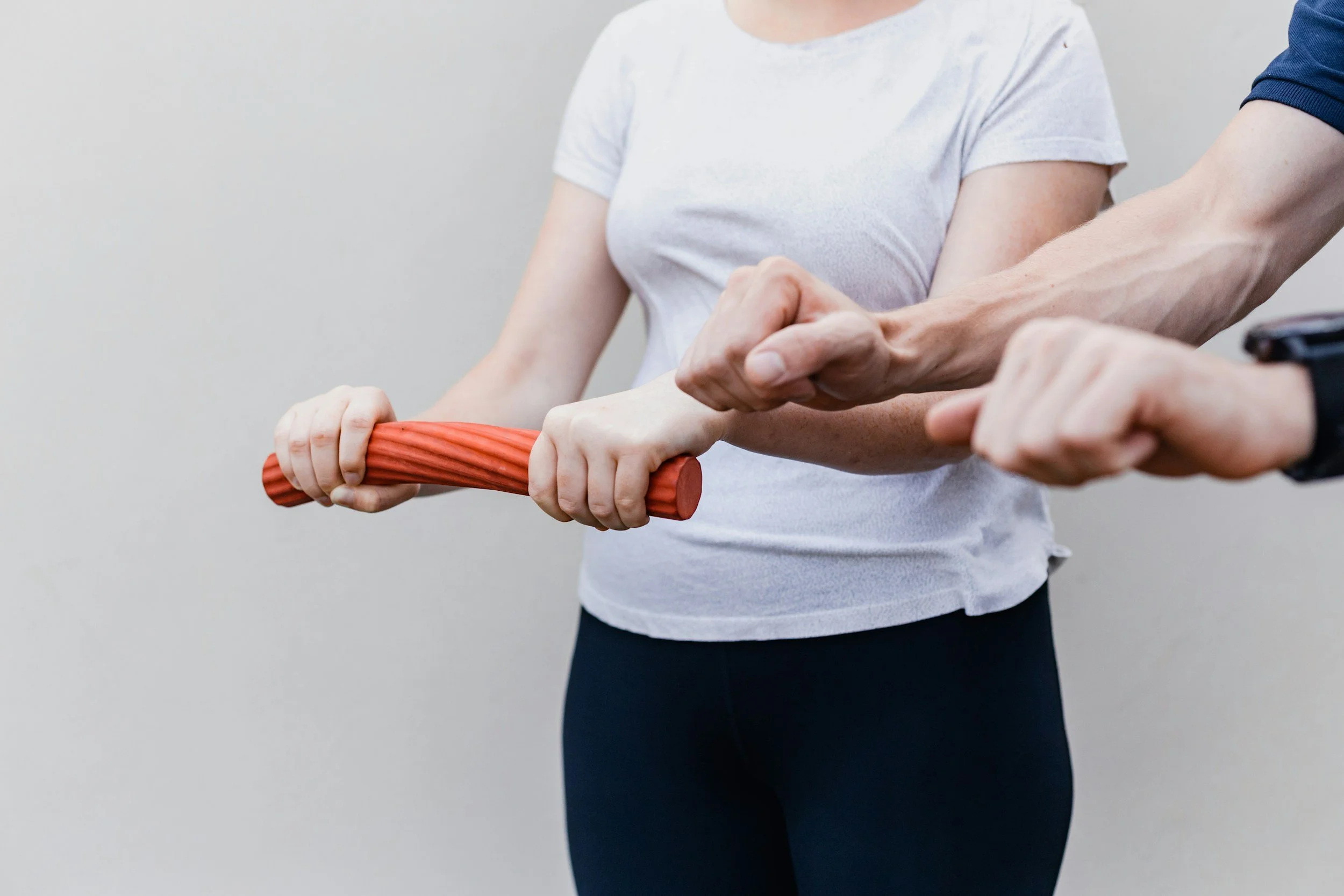
Hand & Wrist Pain Physiotherapy in Brisbane.
We use our hands for virtually everything — which means hand and wrist pain can be surprisingly disruptive. Whether it’s sharp pain with gripping, numbness and tingling at night, or persistent wrist ache after an injury, Moov Physio’s Capalaba team has the skills to diagnose and treat the full range of hand and wrist conditions.
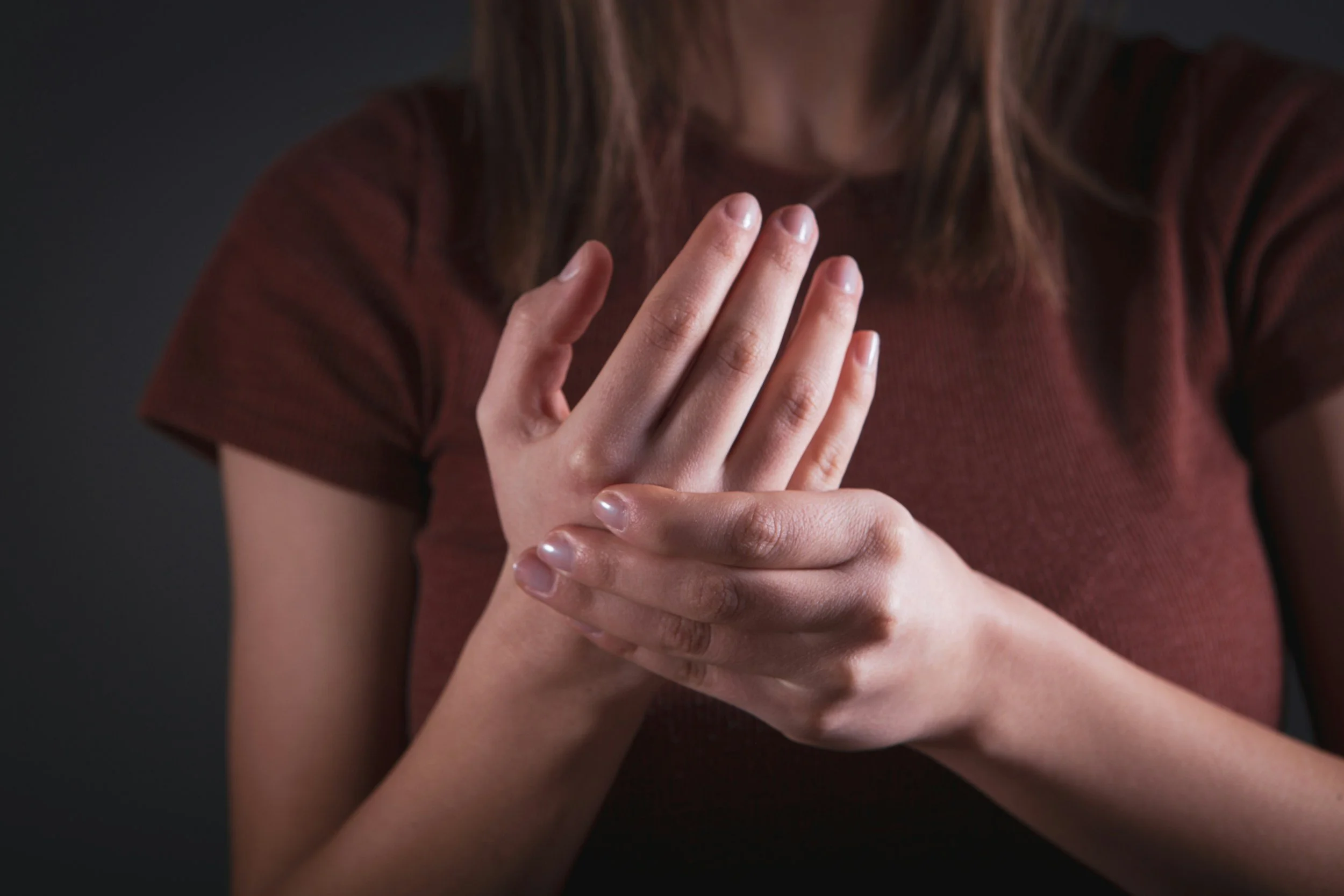
Hand & Wrist Conditions We Treat
Our physiotherapists assess and manage a wide range of hand and wrist conditions, from repetitive strain injuries to post-surgical rehabilitation.
| Condition | Features |
|---|---|
| Carpal Tunnel Syndrome | Numbness, tingling, and weakness in the thumb, index & middle fingers; worse at night |
| De Quervain's Tenosynovitis | Pain at the base of the thumb; aggravated by pinching and gripping |
| Wrist Sprains & Ligament Injuries | After a fall on an outstretched hand; pain and instability |
| Wrist Tendinopathy | Repetitive strain in wrist flexors or extensors |
| Distal Radius Fracture (Colles' Fracture) | Post-fracture rehabilitation after cast removal |
| Trigger Finger (Stenosing Tenosynovitis) | Catching, locking, or triggering of a finger during movement |
| Dupuytren's Contracture | Progressive thickening of palm tissue; finger flexion contracture |
| TFCC Tear | Wrist pain on the little finger side; after twisting injury |
| Rheumatoid Arthritis | Joint swelling, stiffness, and pain; systemic inflammatory condition |
| Post-Surgical Rehab | After tendon repair, fracture fixation, joint fusion, or carpal tunnel release |

Carpal Tunnel Syndrome: What You Need to Know
Carpal tunnel syndrome (CTS) is the most common peripheral nerve compression condition. It occurs when the median nerve is compressed in the carpal tunnel at the wrist, causing:
Numbness and tingling in the thumb, index, middle, and part of the ring finger
Waking at night with hand pain or numbness
Weakness with pinching and gripping
Symptoms initially relieved by shaking the hand
Physiotherapy for CTS includes:
Neural mobilisation (nerve gliding exercises)
Wrist joint mobilisation
Tendon and nerve gliding exercises
Night splinting guidance
Ergonomic assessment of workstation and tool use
Activity modification during acute flare-ups
Physiotherapy is recommended as first-line treatment before cortisone injection or surgery for mild-to-moderate CTS.
Post-Fracture & Post-Surgical Rehabilitation
After a wrist fracture (especially distal radius fractures after a fall), regaining movement, strength, and grip function requires structured rehabilitation:
Range of motion exercises beginning soon after cast removal
Oedema (swelling) management with compression and elevation
Gradual progressive strengthening
Functional task practice and return to daily activities
Scar management after surgical incisions
Our Treatment Approach
- Joint mobilisation — Restoring wrist and finger range of motion
- Soft tissue therapy — Releasing forearm and intrinsic hand muscles
- Neural mobilisation — Median, ulnar, and radial nerve gliding
- Exercise rehabilitation — Grip strength, pinch strength, and fine motor retraining
- Splinting guidance — Night splints, resting splints, or activity splints
- Ergonomic advice — Keyboard, mouse, and tool use modifications
- Scar management — Post-surgical scar massage and desensitisation
Frequently Asked Questions.
-
No. You can book directly without a referral. A GP referral is needed only for Medicare-rebated sessions.
-
Some conditions benefit from temporary splinting (e.g. carpal tunnel, De Quervain’s, acute fractures). Your physiotherapist will advise whether a splint is appropriate and guide you on wearing schedule.
-
For mild-to-moderate CTS, physiotherapy is often effective in reducing symptoms without surgery. Severe or long-standing CTS with significant nerve damage may ultimately require surgical decompression, but physiotherapy is still valuable pre- and post-operatively.
-
Most uncomplicated distal radius fractures return to full function within 8–12 weeks of rehabilitation starting (after cast removal). Complex fractures or those with surgical fixation may take longer.